Pulse Oximeter Education
Understanding Pulse Oximeters and Their Role in Everyday Care
What a pulse oximeter measures, what can affect accuracy, and how to interpret readings with appropriate context.
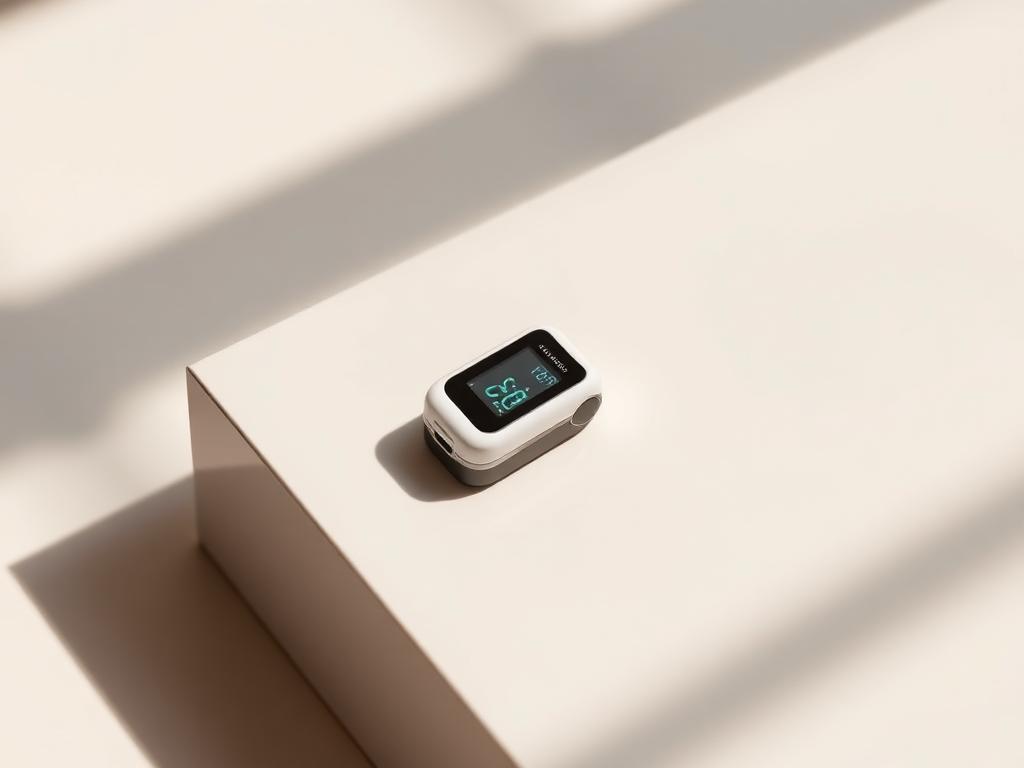
A pulse oximeter estimates the percentage of hemoglobin in the blood that is carrying oxygen. It does this by passing light through the fingertip and measuring how much is absorbed.
Readings can be influenced by cold hands, nail polish, poor circulation, movement, and bright ambient light. Warming the hand, removing polish, and holding still for a full reading cycle improves reliability.
A single number rarely tells the whole story. Trends across the day, alongside how a person looks and feels, offer far more useful information than one isolated measurement.
Always follow the guidance of a qualified clinician when interpreting results, particularly for anyone managing a respiratory or cardiac condition.
This article is provided for general education only and is not a substitute for professional medical advice, diagnosis, or treatment.