
Blood Pressure Awareness
Understanding High Blood Pressure: Why Early Monitoring Matters
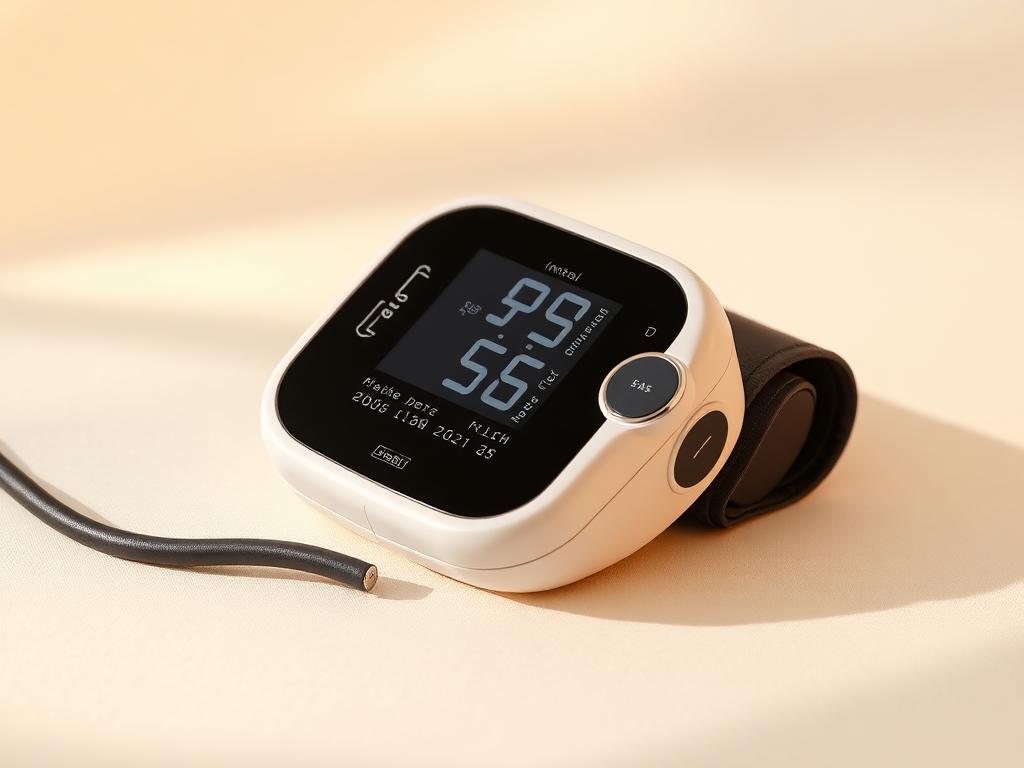
High blood pressure often develops quietly. Learn what the numbers mean and how consistent monitoring supports earlier, calmer decisions.
Blood pressure is one of the most informative measurements in everyday health, yet it is also one of the most misunderstood. Because elevated readings rarely produce symptoms, many people learn about a concern only after it has affected the heart, kidneys, or blood vessels.
A reading is written as two numbers. The first, systolic pressure, reflects the force in your arteries as the heart contracts. The second, diastolic pressure, reflects the pressure between beats. Both matter, and both are best understood as a pattern over time rather than a single moment.
Consistency is what turns numbers into insight. Measure at similar times each day, rest quietly for five minutes beforehand, keep both feet flat on the floor, and support the arm at heart level. Record each result so patterns become visible to you and to your clinician.
Monitoring at home does not replace professional care. It gives your care team a fuller picture than an occasional office visit can, which often leads to more precise guidance and fewer surprises.
This article is provided for general education only and is not a substitute for professional medical advice, diagnosis, or treatment.